
As an Amazon Associate I earn from qualifying purchases. Click here to learn more about my Affiliate Disclosure. Amazon and the Amazon logo are trademarks of Amazon .com, Inc, or its affiliates.
Current Reference System
Last updated: July 2026
My current system reflects the way I actually listen today. The main loudspeaker setup remains in the living room, while I am also developing a more flexible STAX listening area in the bedroom.
| Loudspeakers | ELAC Vela 404 |
|---|---|
| Power Amplification | DIY Hypex NCore 400 Monoblocks |
| Streamer, DAC & Preamplifier | Eversolo DMP-A8 |
| CD Player / Transport | SMSL PL200 |
| Electrostatic Headphones | STAX SR-009S |
| Electrostatic Amplifier | High-Amp Antares |
| Turntable | Clearaudio Performance SE |
| Tonearm | Clearaudio Satisfy Carbon |
| Cartridge | Clearaudio Maestro MM |
| Phono Stage | DIY Pass XONO |
| Record Cleaning | OKKI NOKKI Record Cleaning Machine |
| Speaker Cables | ELAC Reference Speaker Cables |
Loudspeaker System
ELAC Vela 404.1 (Jet 5 Tweeter)
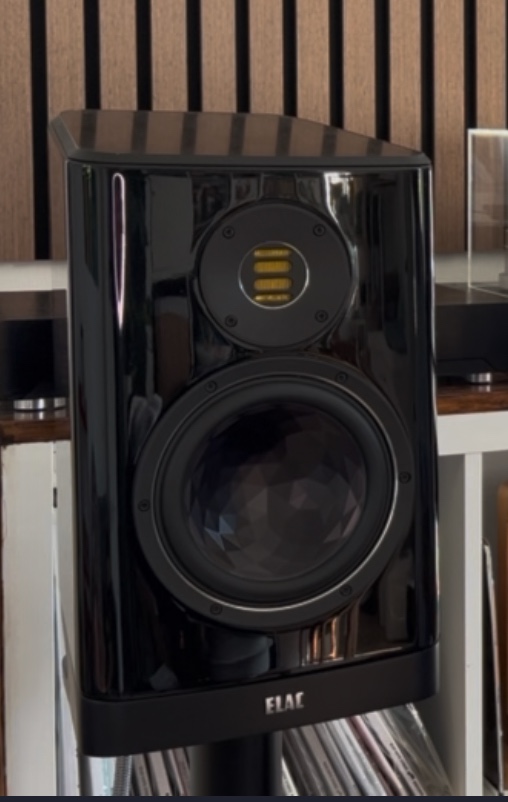
I bought my pair of these bookshelf speakers in beautiful gloss black almost two years ago from the German hi-fi retailer Bonsaimachos. I can really recommend this dealer. They shipped a pair all the way to my home in Austria so I could try them before making a decision. I also liked their humorous approach to selling high-end audio. If you understand German, definitely have a look at their website – it’s actually quite entertaining.
As soon as I heard the 404s, I knew they were the right choice and bought them straight away. They mimicked the airy sound signature of my good old Martin Logan reQuest Electrostats in some ways. They fit my roughly 22 square metre living room perfectly. Big enough to sound effortless, but not too big for the room.
At first I was looking at the smaller Vela 403 because I didn’t want oversized speakers. In the end I went with the 404 because I also didn’t want to rely on a subwoofer. Funny enough, I actually used one for quite some time, but nowadays I listen without it and don’t miss it at all.
My speakers still have the older JET 5 tweeter. The newer models already came with the JET 6, so I managed to get them for a really good price.
By pure luck I also found the original ELAC stands second-hand from someone who upgraded to the much larger Vela 408.
I’m not really a cable believer, but I do appreciate well-made cables with solid connectors. So I bought the original ELAC Reference speaker cables with banana plugs. They are easy to work with, feel very high quality and simply match the speakers nicely.
Manufacturer: ELAC
Purchased from: Bonsaimachos
For technical specifications, visit the manufacturer’s website.
SMSL PL200 (CD Player / DAC)


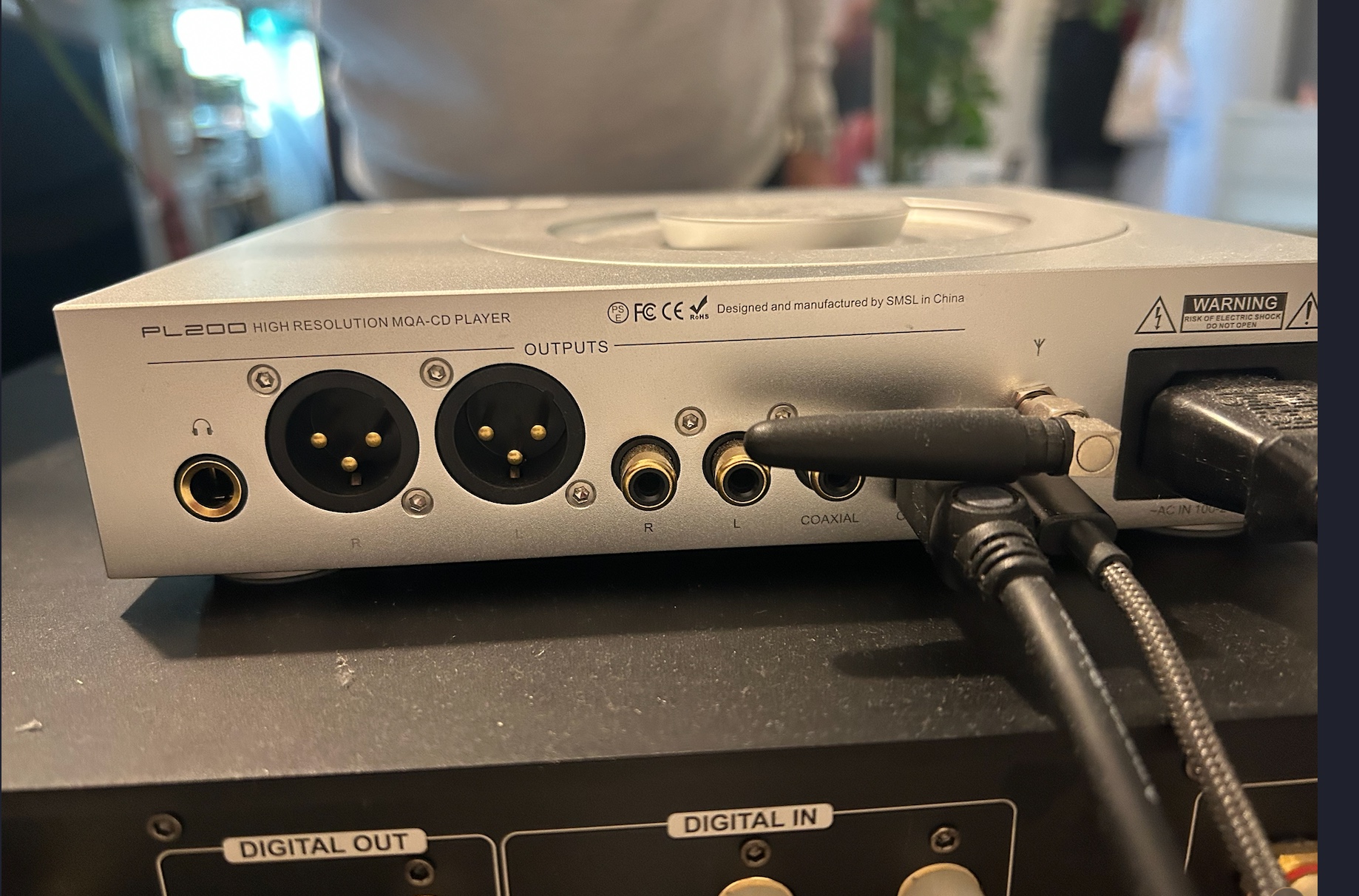
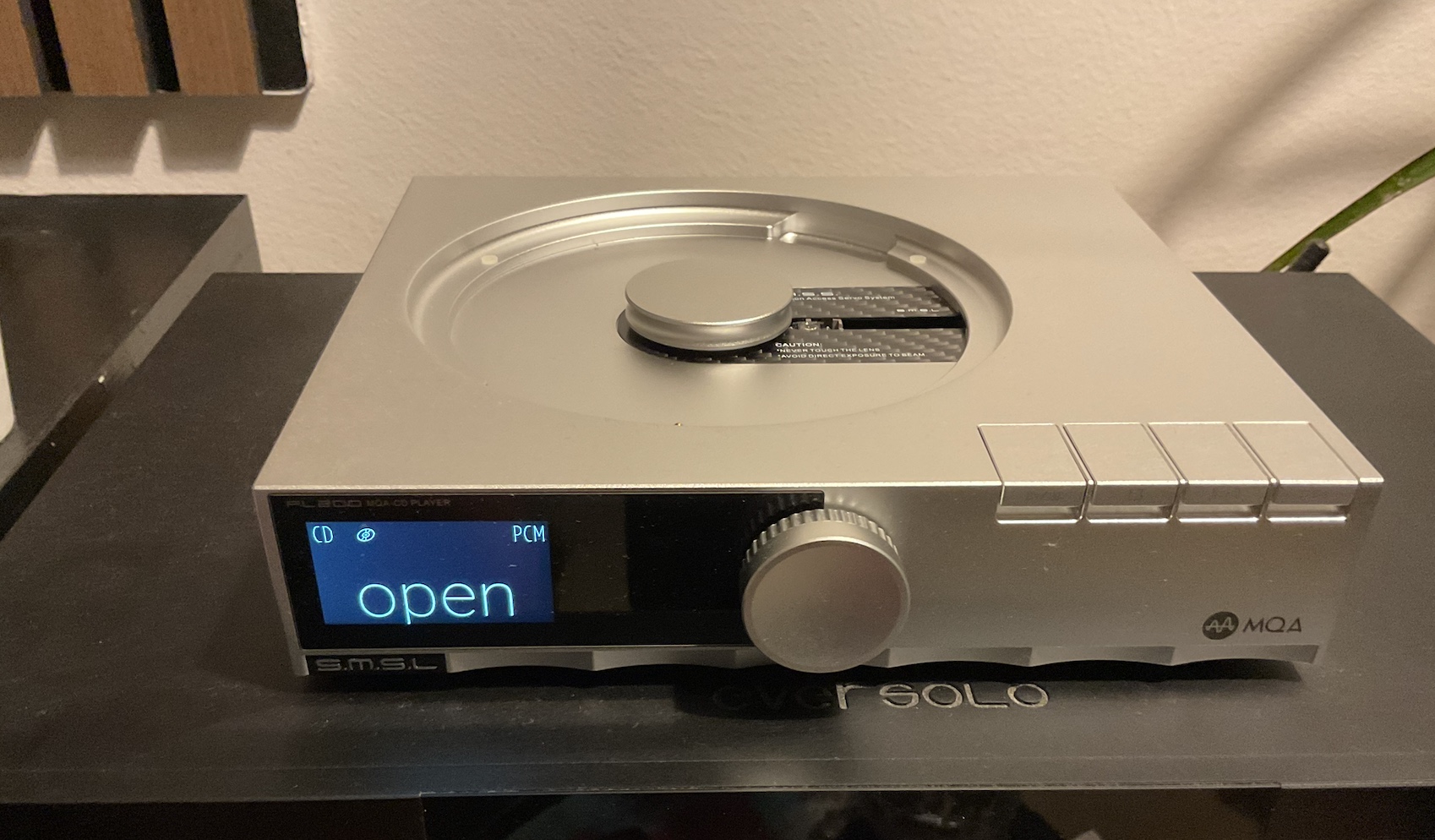
I’ve always liked the idea of owning a top-loading CD player. Sure, I could simply connect an external DVD drive to the Eversolo and rip CDs that way, but putting a CD into a proper player just feels different. Maybe it’s nostalgia, but I still enjoy it.
Most modern budget CD players with plastic front-loading trays don’t really do much for me. They often feel a bit cheap and somehow take away part of the experience. My journey with digital sources has taken a few major turns over the decades. I started out with a Sony CDP-338ESD, a classic tank of a player, before upgrading to the Accuphase DP-55 CD player. Sadly, I had to sell it in the mid 2000s so I was without a dedicated disc spinner for some time
In my system the PL200 is mainly used as a CD transport while the Eversolo handles the digital-to-analogue conversion. But if you want to use the internal AKM DAC with balanced outputs, that’s also an excellent option.
At the moment I’m actually experimenting with something different. The PL200 is connected directly to my electrostatic headphone amplifier via the balanced outputs as part of my bedroom headphone setup with the STAX SR-009s.
I’m still playing around with different combinations, but that’s part of the fun of this hobby.
By the way, my “source” here is my MacBook Air M4 (16GB RAM / 256GB SSD) running the legacy Audirvana 3.5. I refuse to get sucked into the modern subscription-ripoff versions of the software; this older, standalone version still sounds immaculate and functions perfectly.
Manufacturer: SMSL Audio
Purchased from: Audiophonics
Review Link: Read my impressions
For technical specifications, visit the manufacturer’s website.
DIY Hypex NCore 400 (Monoblock Power Amplifier)
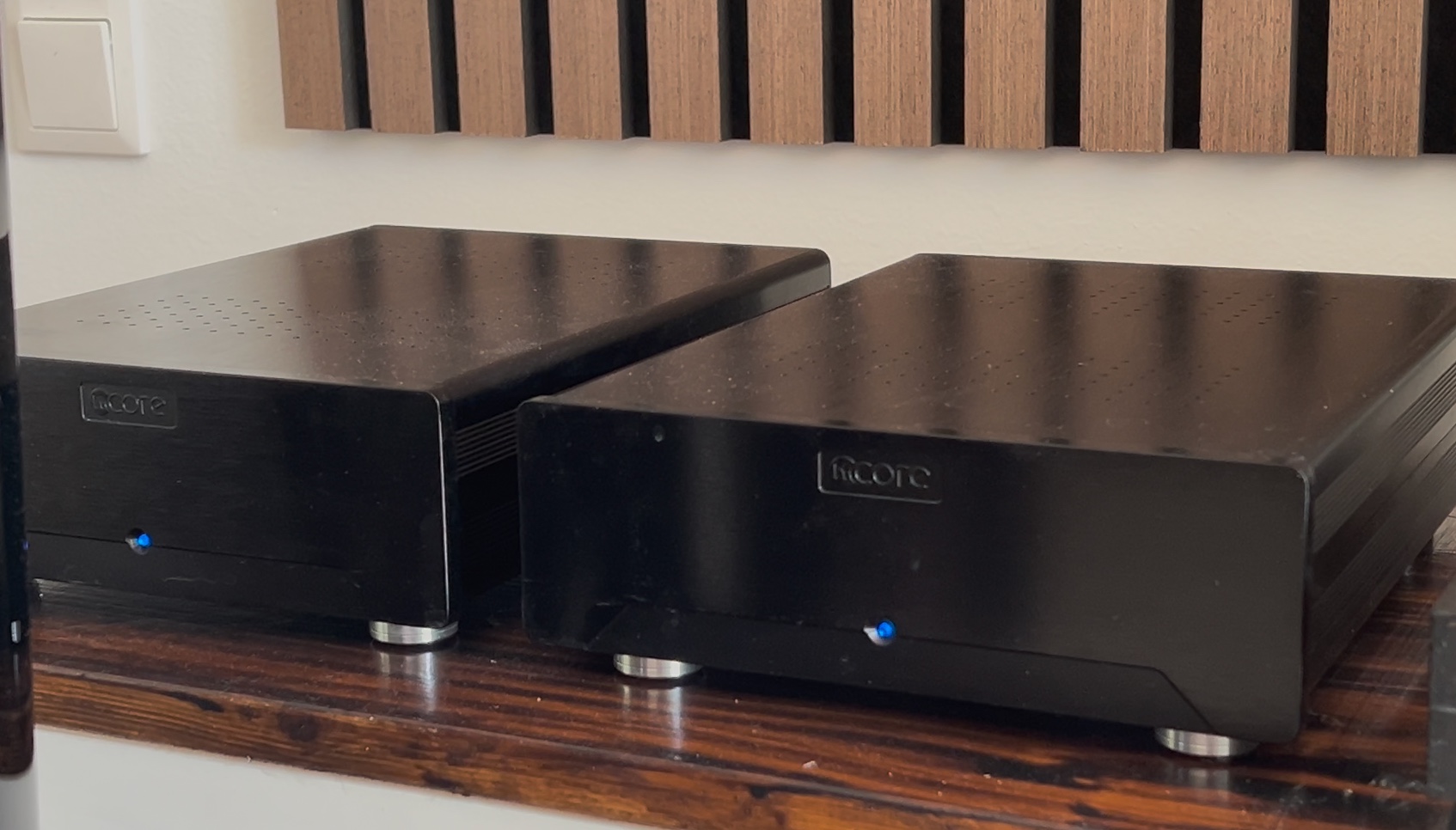
I’ve been a fan of Hypex Class-D amplifiers for a very long time. Back in the early 2000s I actually built my own UcD180 power amplifiers when the modules had just been released. I only recently upgraded to the newer NCore 400 modules because I was curious to see how Hypex Class-D technology had evolved.
I built mine using DIY enclosures sourced from Ghent Audio in China, as they make remarkably nice cases designed perfectly for these Hypex builds. I purchased the modules directly from Hypex but you can now conveniently purchase them from Audiophonics or SoundImports (see my links to find out where to best buy them).
At that time I also owned an Accuphase E-408 integrated amplifier and honestly… I was shocked how much better the Hypex amps sounded to my ears. Cleaner, faster and simply more effortless. After that experience, power amplification became pretty much a solved topic for me and I never really looked back.
Even my fellow enthusiasts over at Audio Science Review have noted that the Hypex NCore 400 achieves a staggering 120 dB signal-to-noise ratio, a benchmark that is practically unheard of in traditional Class A or Class AB amplifiers.
One thing I personally really like about Hypex modules is that they just work. They stay cool, eco-friendly by not draining my bank account in terms of power consumption, they are extremely reliable and seem to drive almost any speaker without breaking a sweat. Plenty of dynamics, plenty of control and they let the ELAC speakers show what they can actually do. I even drove my previous Martin Logan speakers which are a tough load for any amplifier as the electrostatic panels coupled with the passive 12-inch woofer are demanding. Even my friends B&W 803 was a breeze with the NCores and the Hypex amps barely got warm to the touch. Simply amazing.
It’s funny how effortlessly the Hypex NCore 400 can also power my Stax electrostatic step-up transformer!
Interestingly, ELAC’s own Alchemy electronics also use Hypex UcD modules, so I guess they came to a similar conclusion.
Manufacturer: Hypex Electronics
Purchased from: Hypex Electronics (Modules), Ghent Audio (Enclosures)
For technical specifications, visit the manufacturer’s website.
Eversolo DMP A8 (Streamer / DAC / Preamp)
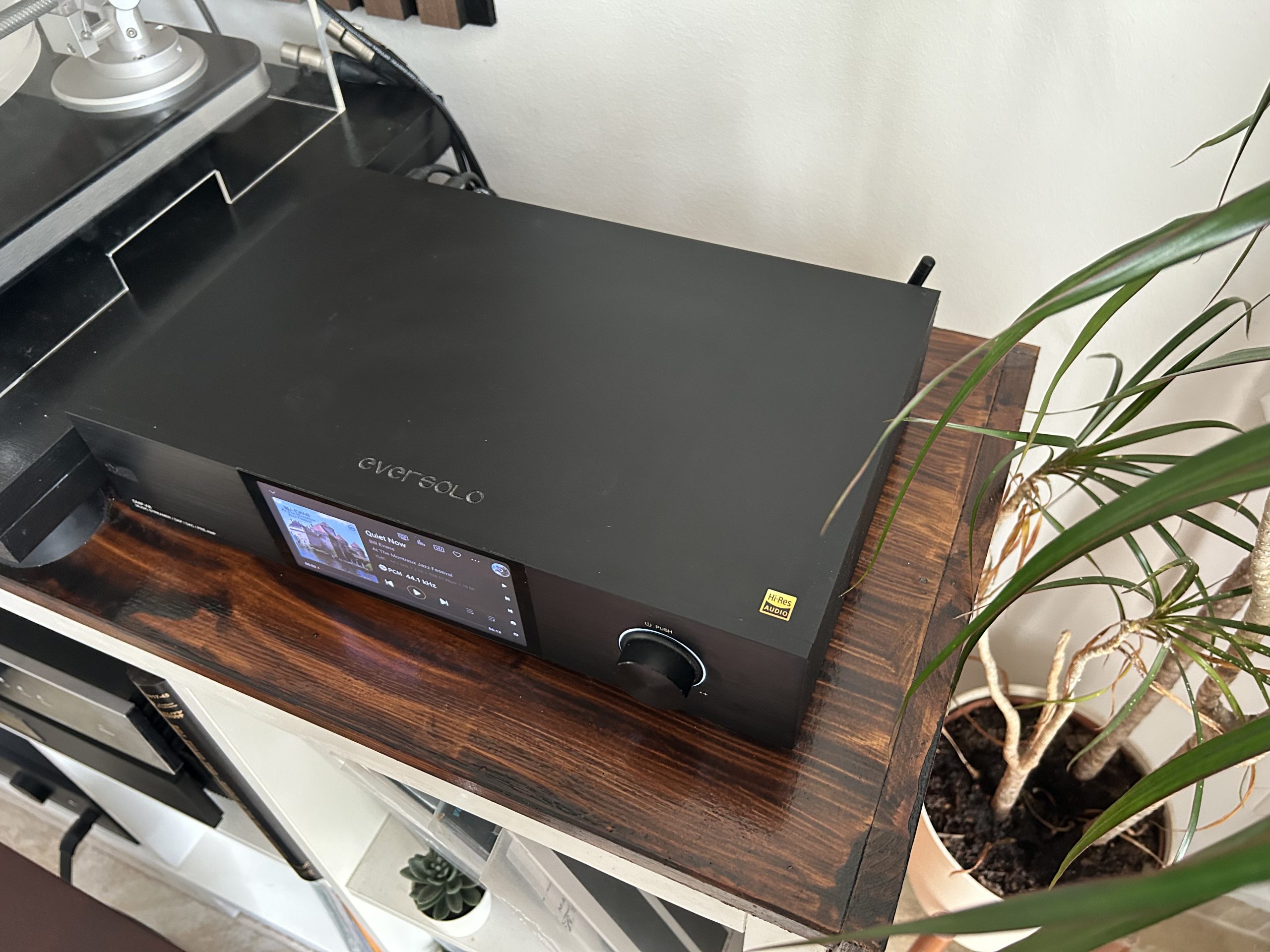
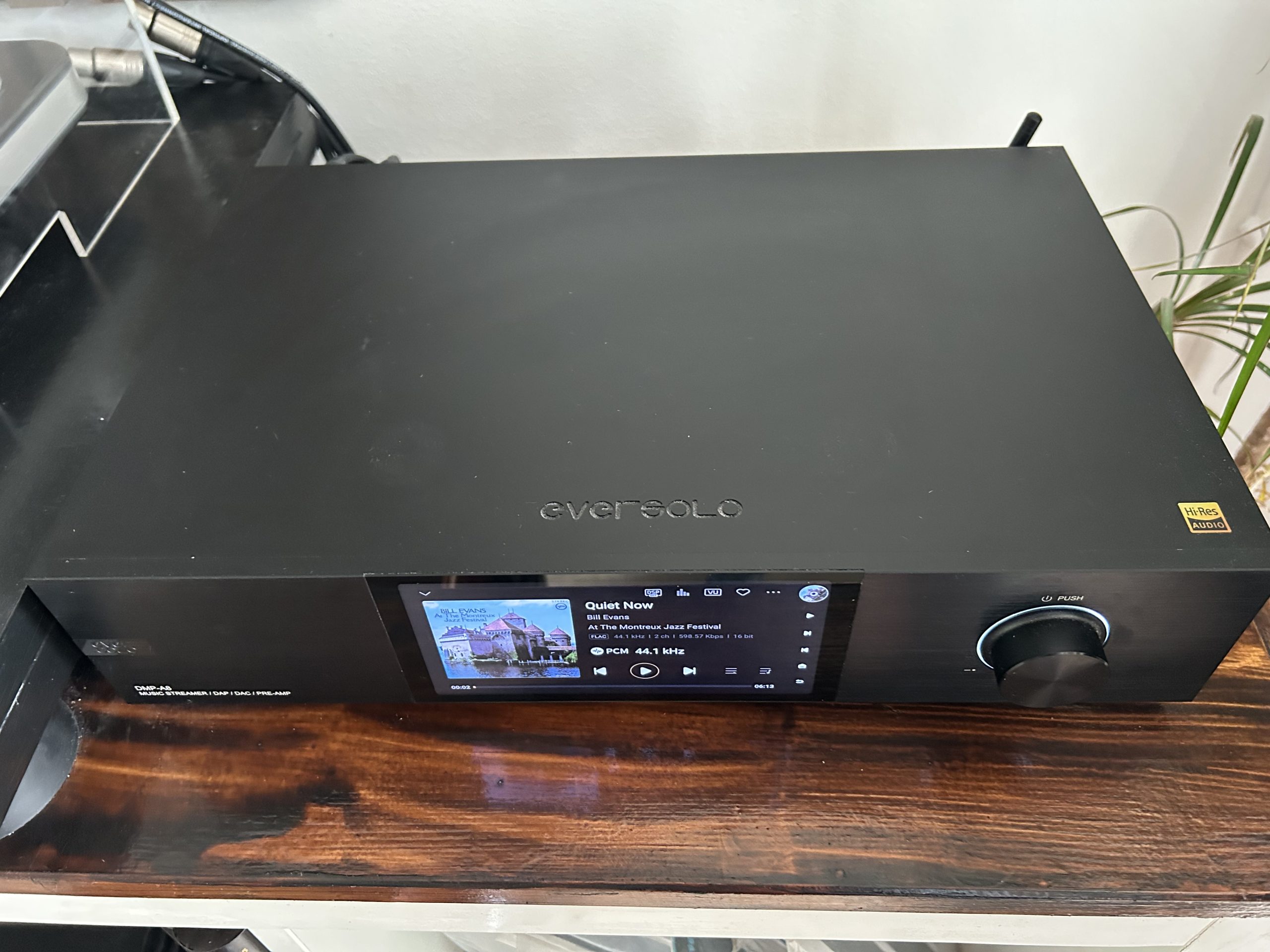
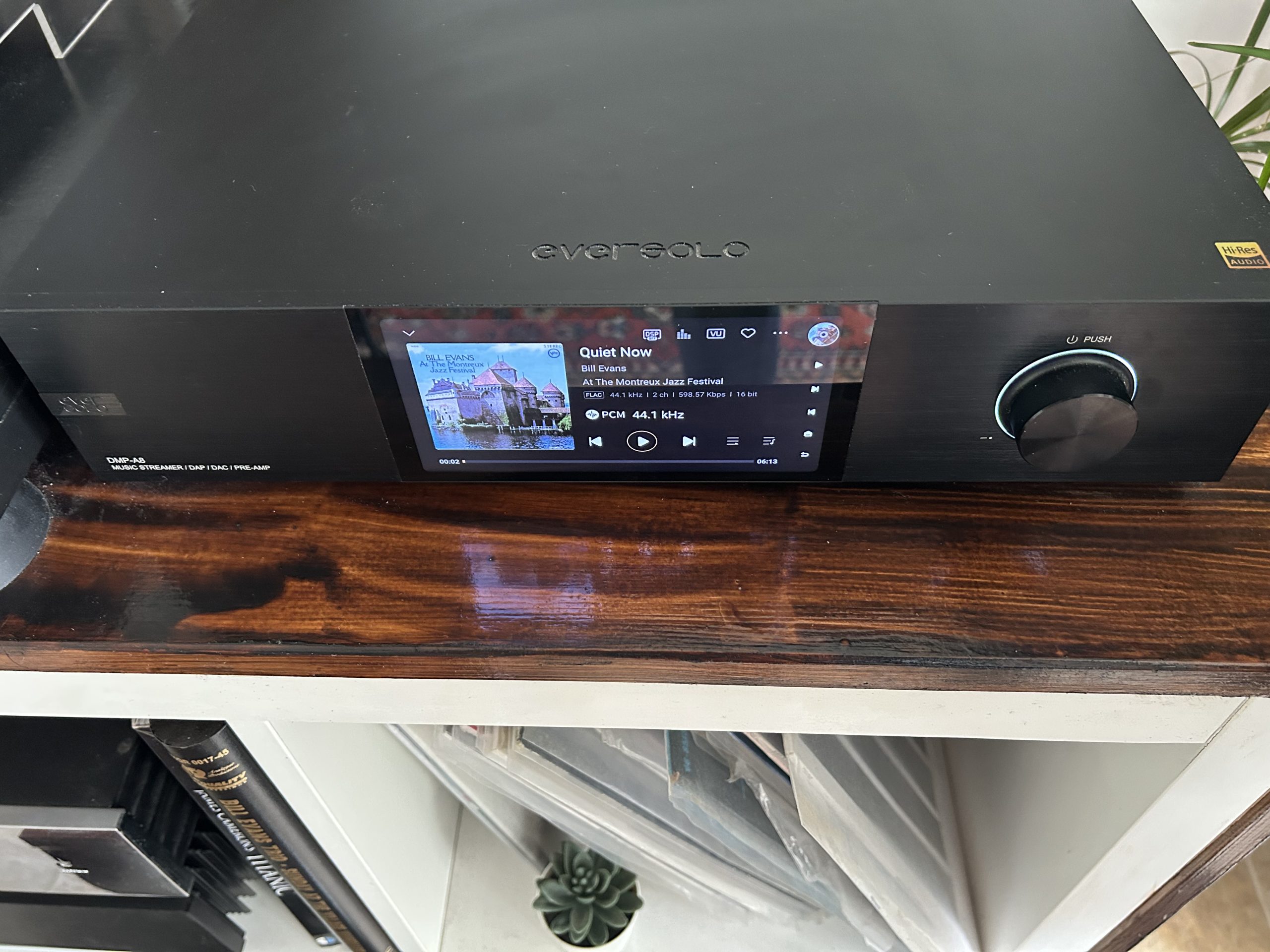
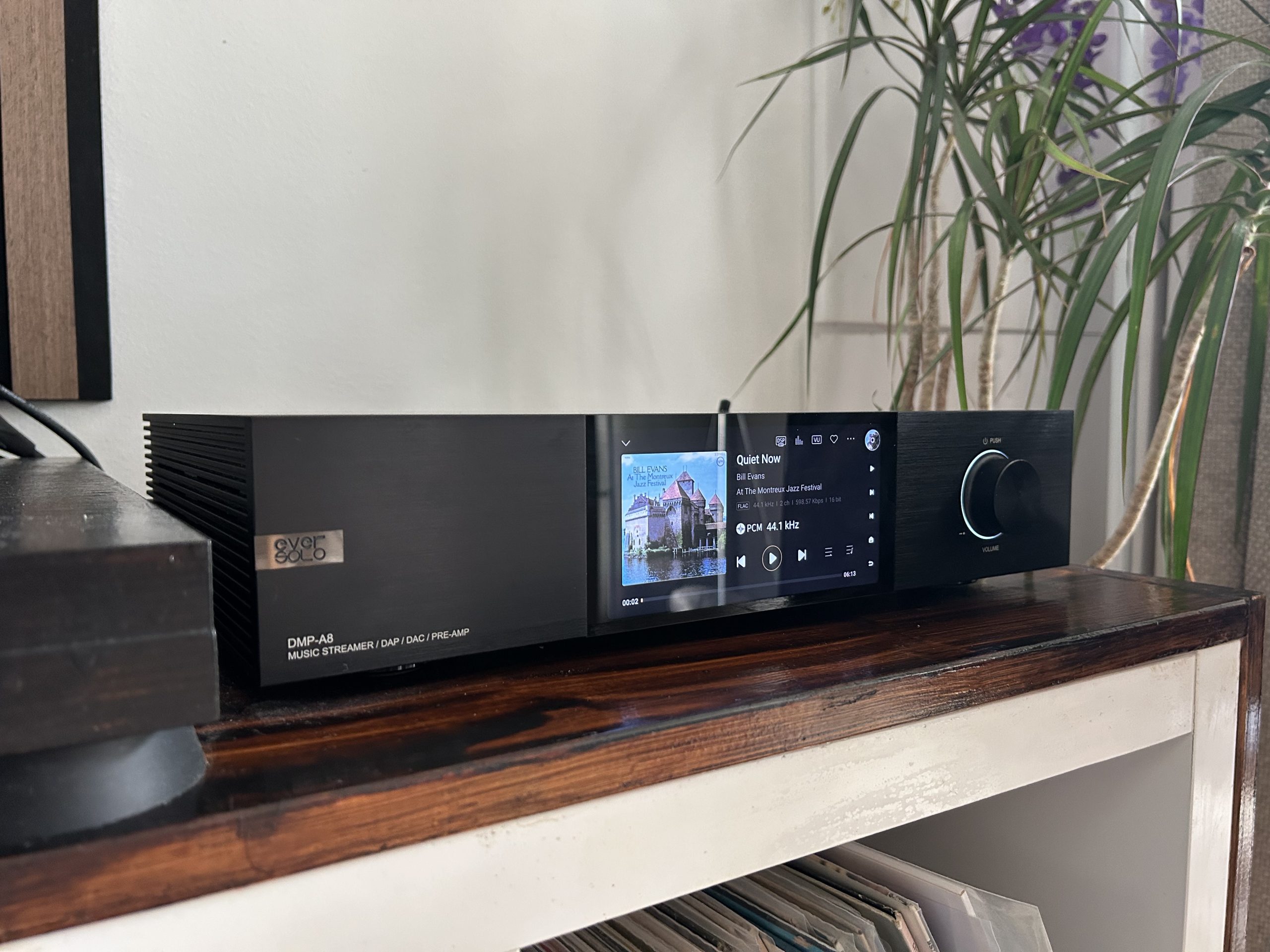
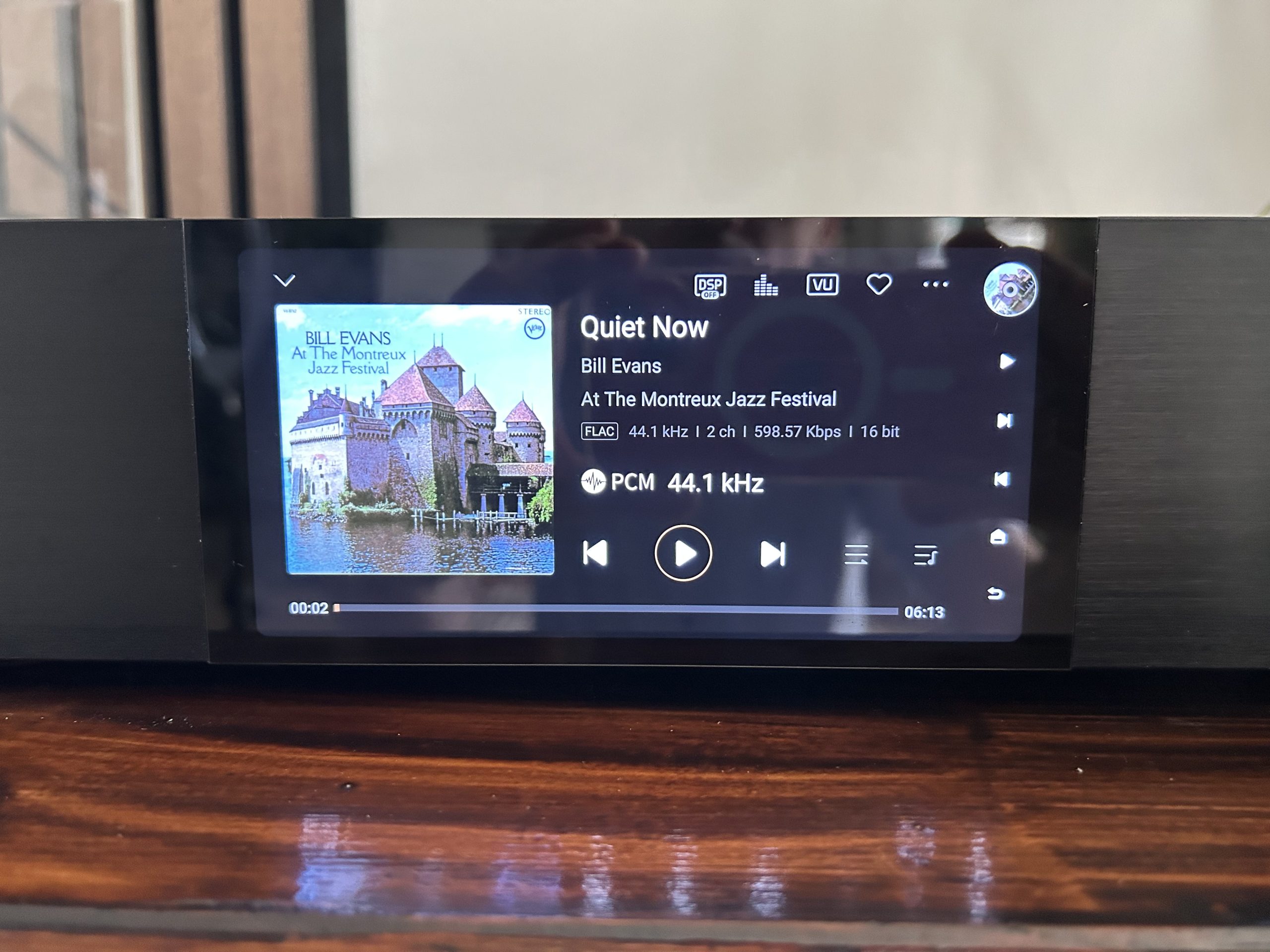
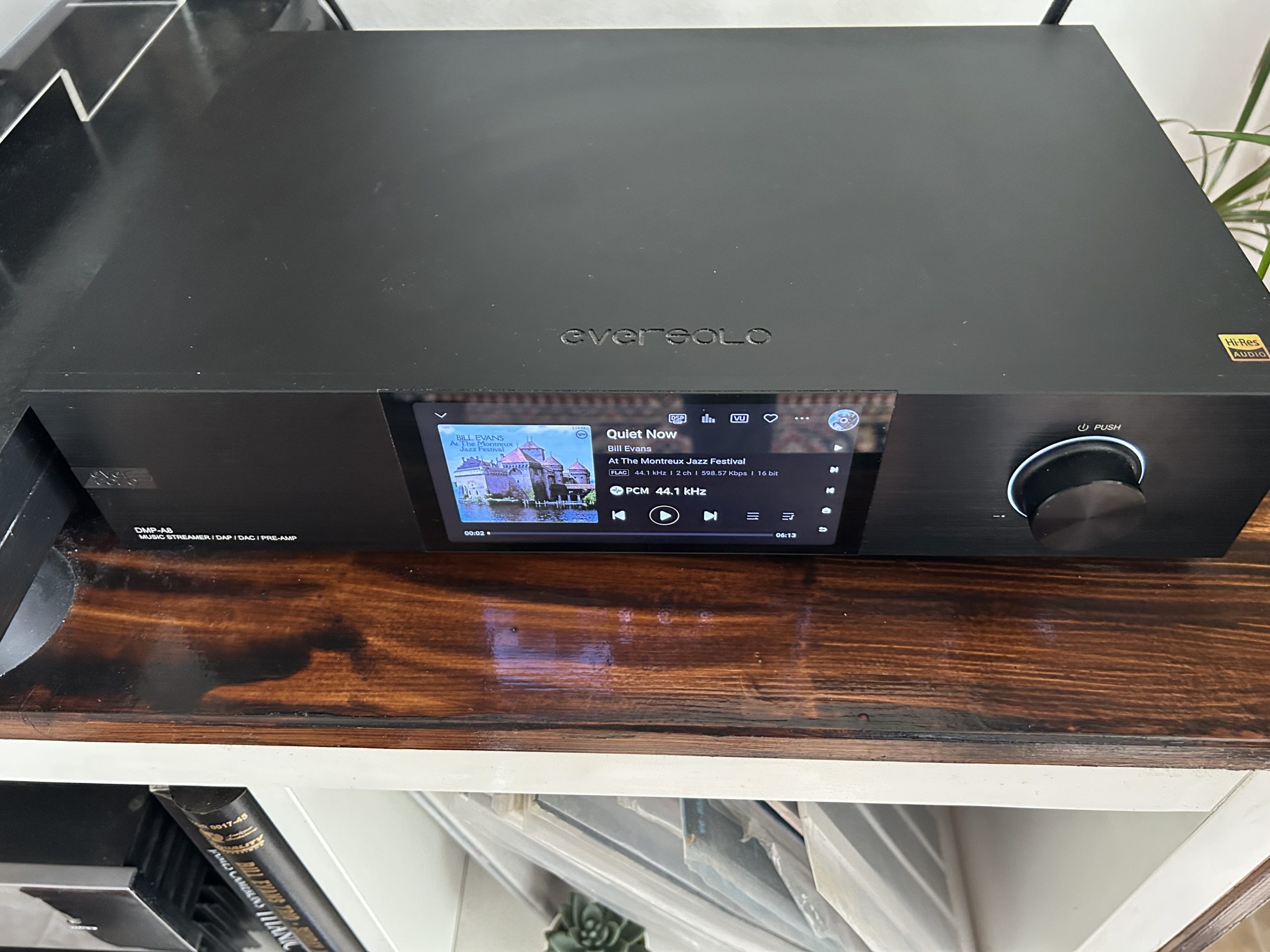
I really think China has become a serious player in high-end audio. Companies like SMSL, Topping, Gustard, Loxjie and of course Eversolo prove that every day.
I first became interested in the DMP-A6 because I thought the combination of a huge touchscreen and an Android-based operating system built around bit-perfect playback was a fantastic idea.
Then the DMP-A8 was released and it basically ticked every single box on my wish list.
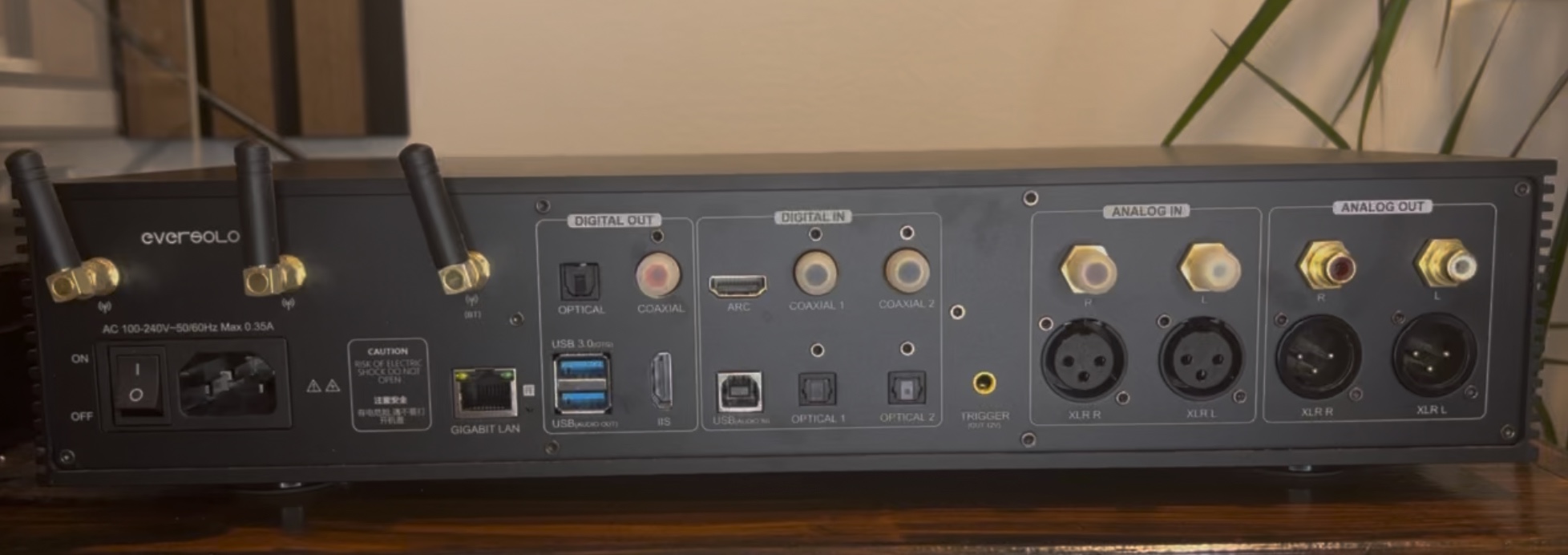
It has a proper analogue input for my turntable without forcing an analogue-to-digital conversion, multiple digital inputs, internal SSD support, CD ripping, a really good DAC and even a high-quality preamp with relay-based volume control. That’s quite an impressive list for one single box.
The software is also excellent. Everything just works and feels well integrated. Oh, and I have a Qobuz “Studio Solo” subscription to cover my streaming needs. Honestly, I am now buying less music than I used to as everything is readily available from streaming services. Sometimes I buy an album from Qobuz if I want to permanently own it in my collection.
Before that I used a WiiM Pro together with my German-made RME ADI-2 Pro DAC. That was already a very nice combination, but the Eversolo simply feels like a more complete solution.
It’s certainly not cheap, but I would buy it again without thinking twice. If I didn’t have a turntable, I would probably have gone for the cheaper A6 instead (I don’t hear much of a difference between the A6 and A8 on my Elacs – but that’s me).
Manufacturer: Eversolo
Purchased from: Second-Hand Unit (Kleinanzeigen.de)
Review Link: Read my impressions
For technical specifications, visit the manufacturer’s website.
Headphones
STAX SR-009S (Electrostatic Headphones)
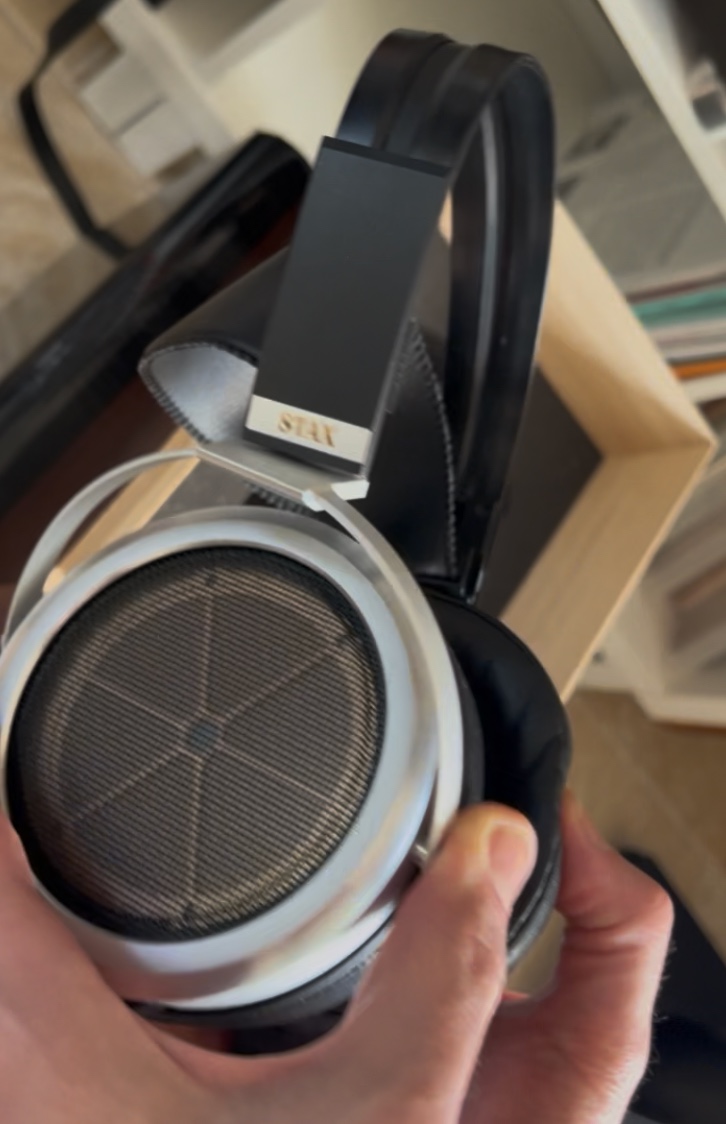
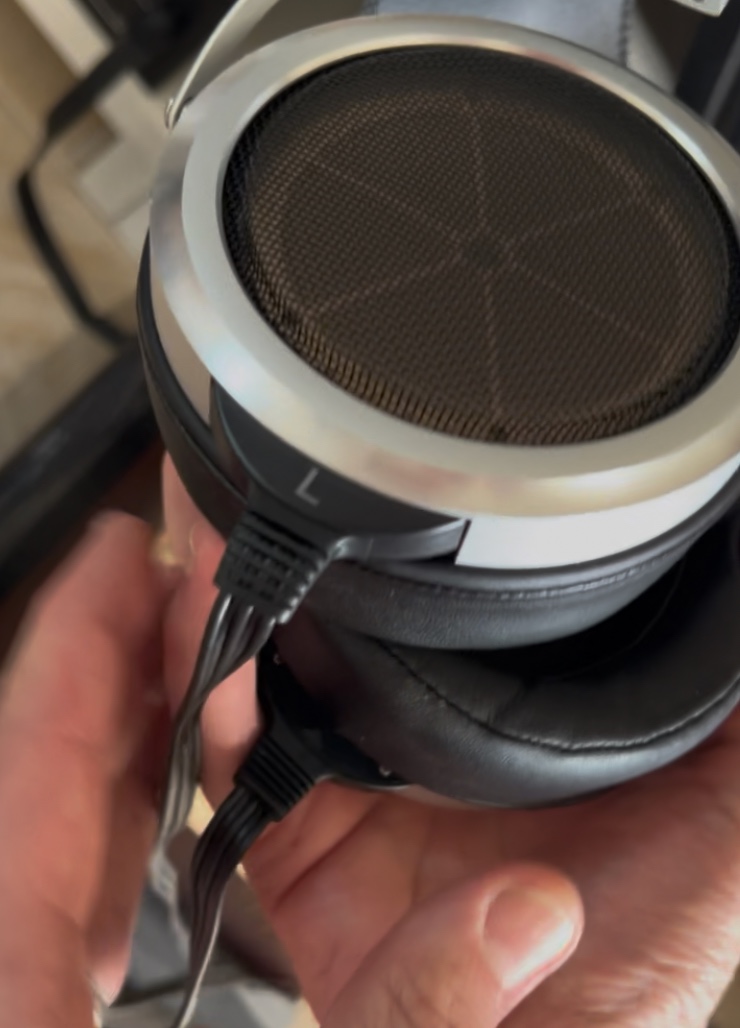
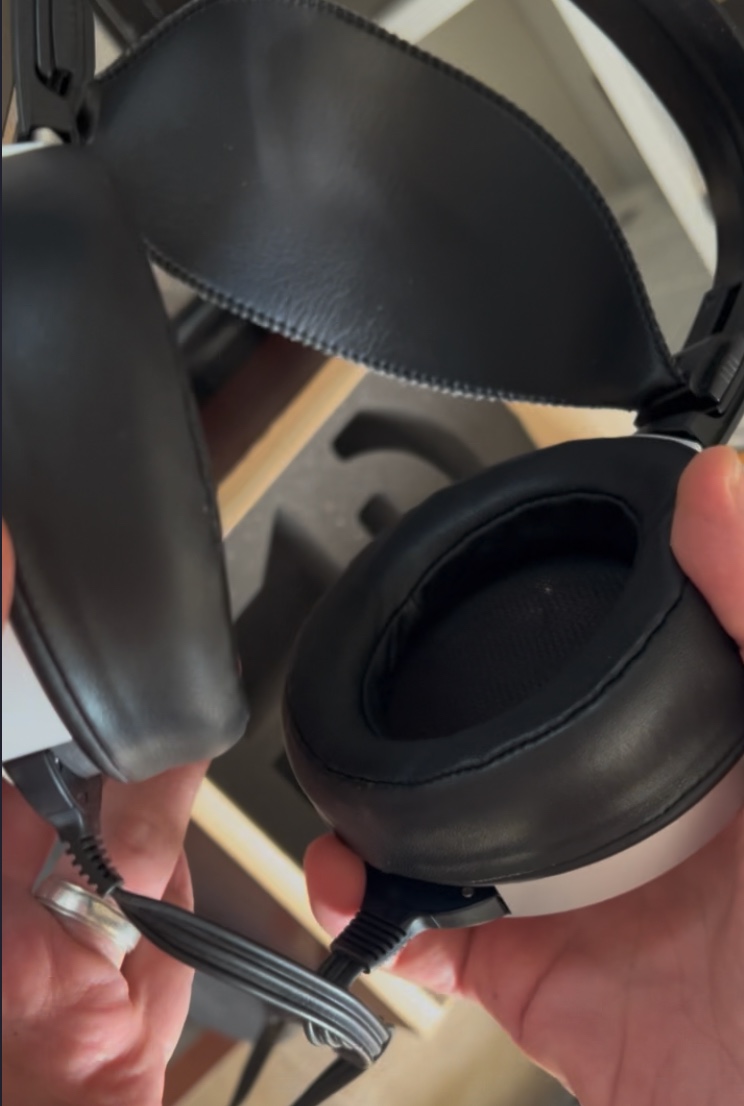
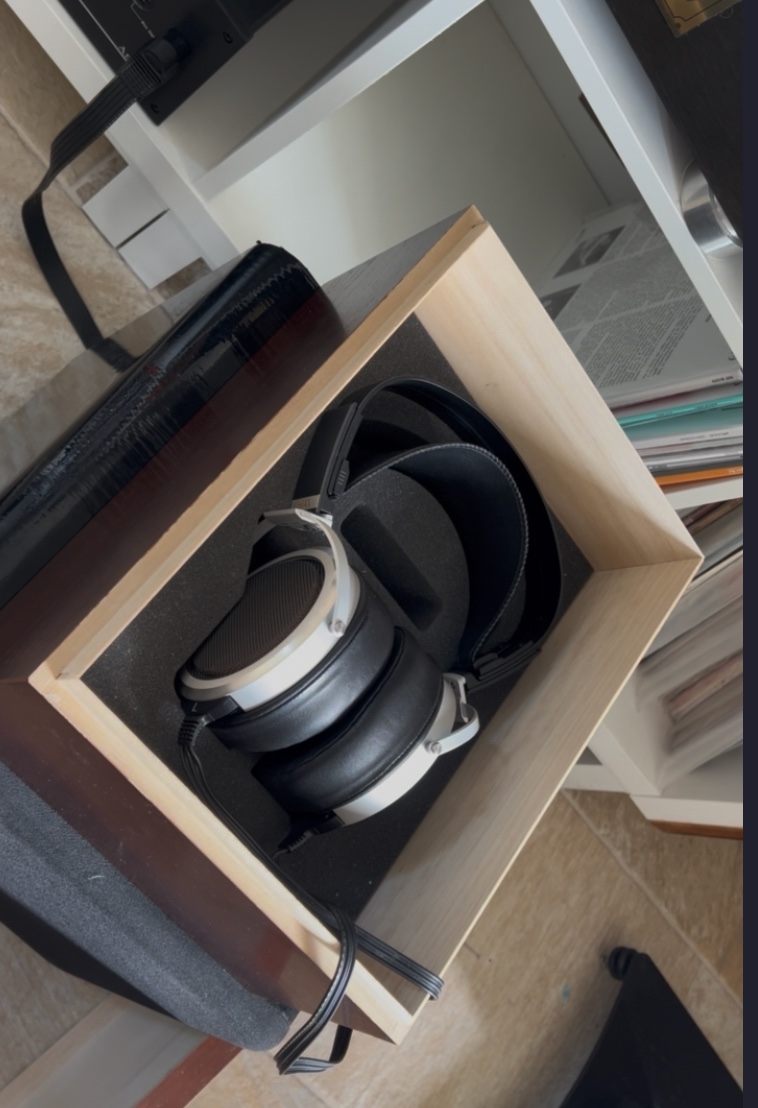
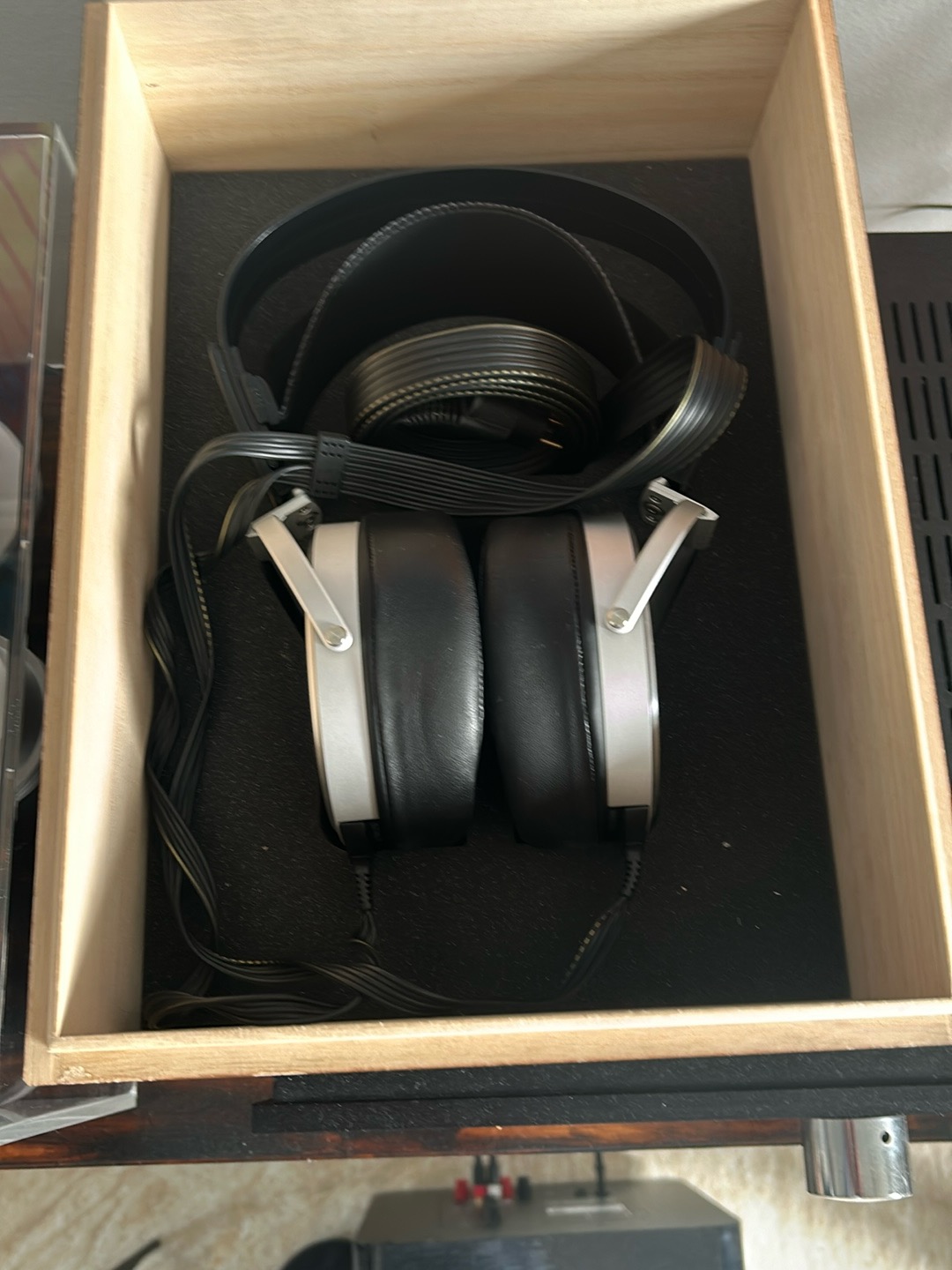

If I had to keep only one component from my entire audio system, it would probably be my STAX SR-009S. I’ve owned plenty of loudspeakers and headphones over the years, but nothing has impressed me as consistently as electrostatic headphones (and speakers). The SR-009S is one of those rare products that simply disappears and lets you focus entirely on the music.
My journey with STAX actually started many years ago with the SR-507, then upgraded to a pre-owned SR-007 MK1 that I kept in my collection for years (sold it with zero loss after almost 8 years – hard to believe). Ever since then I’ve been hooked on electrostatic headphones. I still enjoy listening through loudspeakers, but whenever I really want to analyse a recording or simply get lost in the music, I always end up reaching for my STAX.
What I love most is their effortless presentation. Everything sounds incredibly clean, transparent and natural without ever feeling forced or exaggerated. They reveal tiny details in recordings I’ve listened to for years, yet they never sound analytical just for the sake of it. Acoustic Jazz, Classical music and well-recorded vocals in particular are simply breathtaking. To my ears, no dynamic or planar headphone I’ve owned has managed to reproduce instruments with quite the same realism.
Of course, electrostatic headphones are not for everyone. If your main priority is chest-thumping bass for electronic music, there are probably better choices. But if you’re after realism, low distortion and speed, I still think STAX is hard to beat. Their incredibly light diaphragm reacts almost instantly to the music signal, which is one of the reasons they sound so effortless and transparent.
Like all STAX headphones, the SR-009S requires a dedicated high-voltage electrostatic amplifier. Stax calls them “energisers”. You can’t simply plug them into a normal headphone amplifier. But I promise you: once you’ve experienced a good electrostatic setup, it’s very difficult to go back.
For many years I used a KGSSHV amplifier built by instructions from Mjölnir Audio. It sounded absolutely fantastic and never gave me any reason to upgrade. Unfortunately, after many years of service it eventually fell victim to humidity. I then rushed to find a temporary replacement which ended up being the newer SRM-400s energizer. Didn’t like it too much so I sold it for a decent price. I got those second-hand anyway, so no big losses here. One unit I kept though, was a heavily modded SRD-7 unit which plays amazingly well with my Hypex amplifiers.
Today I drive the SR-009S with a High-Amp Antares amplifier. The design is available as a DIY project, but complete units are also built by Andreas Raubenbühler in Germany. After building amplifiers myself in the past and spending countless hours sourcing parts, matching components and troubleshooting, I simply didn’t feel like doing another large DIY project. Sometimes it’s nice to let somebody else do the hard work.
The Antares has been an excellent match for the SR-009S. It has more than enough power, stays cool and lets the headphones show everything they are capable of. Right now the whole setup has moved into my bedroom where I’m slowly building a dedicated headphone listening corner, something that fits much better into my current lifestyle than a large loudspeaker setup in the living room.
Read my full STAX review
Manufacturer (Headphones): STAX Ltd.
Manufacturer (Amplifier Design): High-Amp (Andreas Raubenbühler)
If you’re interested in why I fell in love with electrostatic headphones in the first place, have a look at my article Why I Personally Prefer STAX Electrostatic Headphones.
Turntable
Vinyl Playback
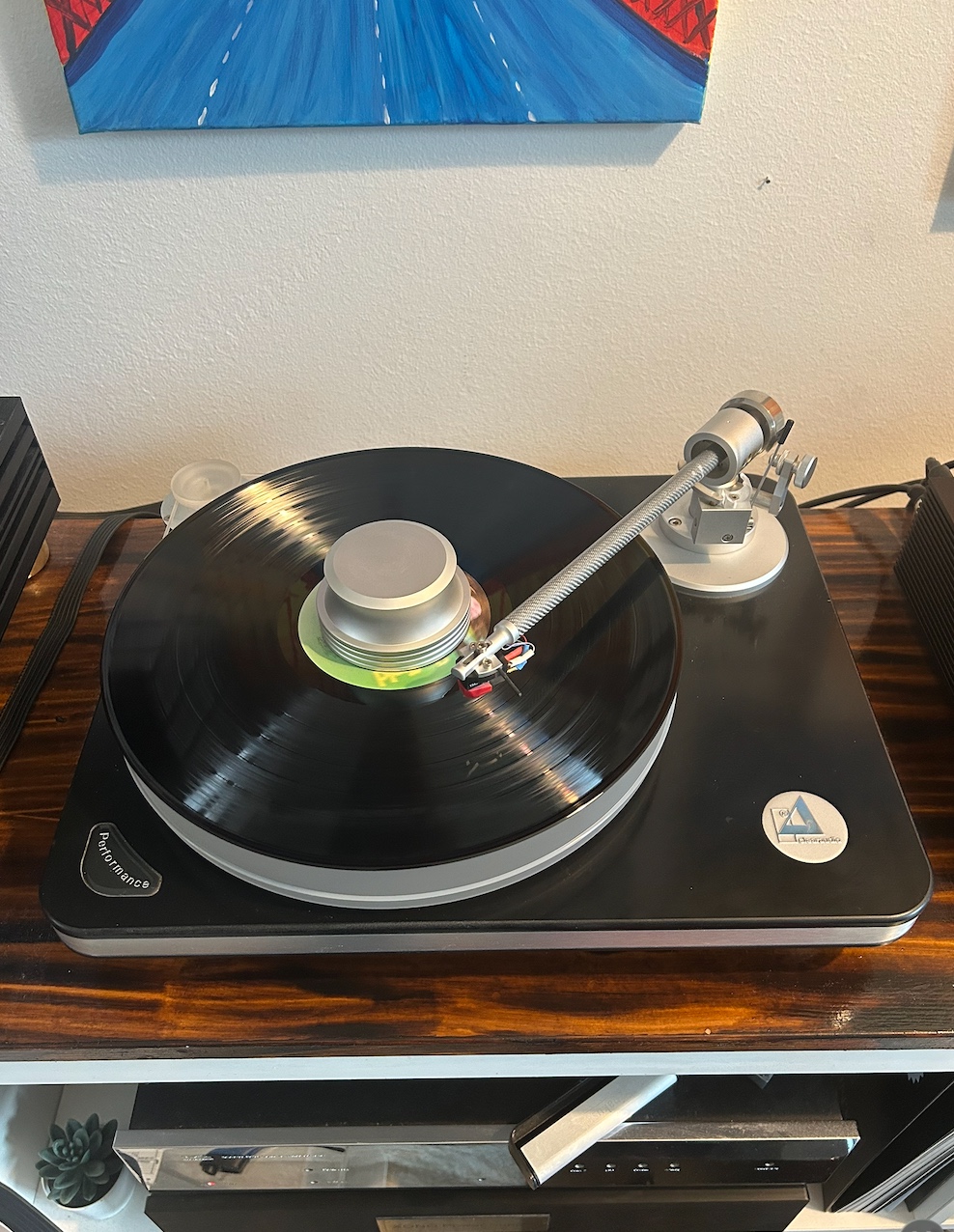
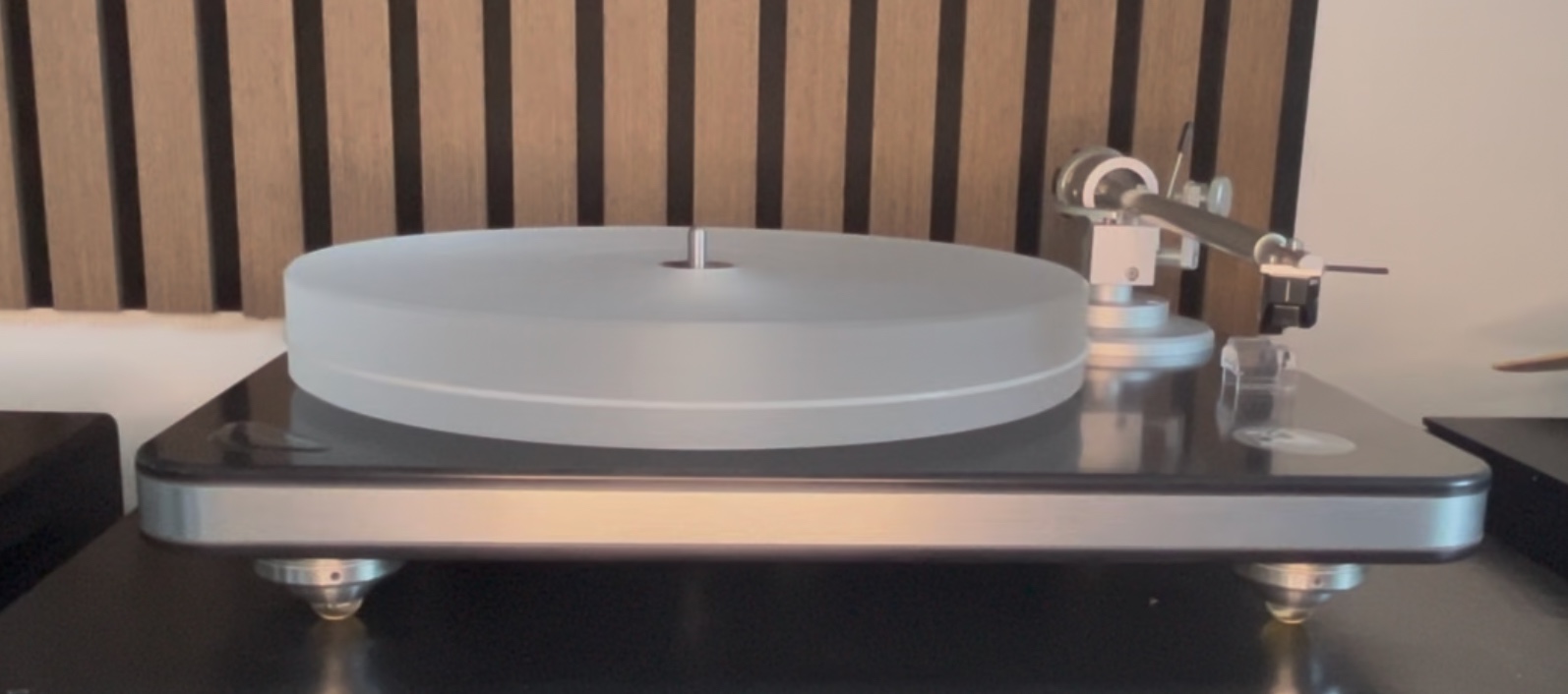
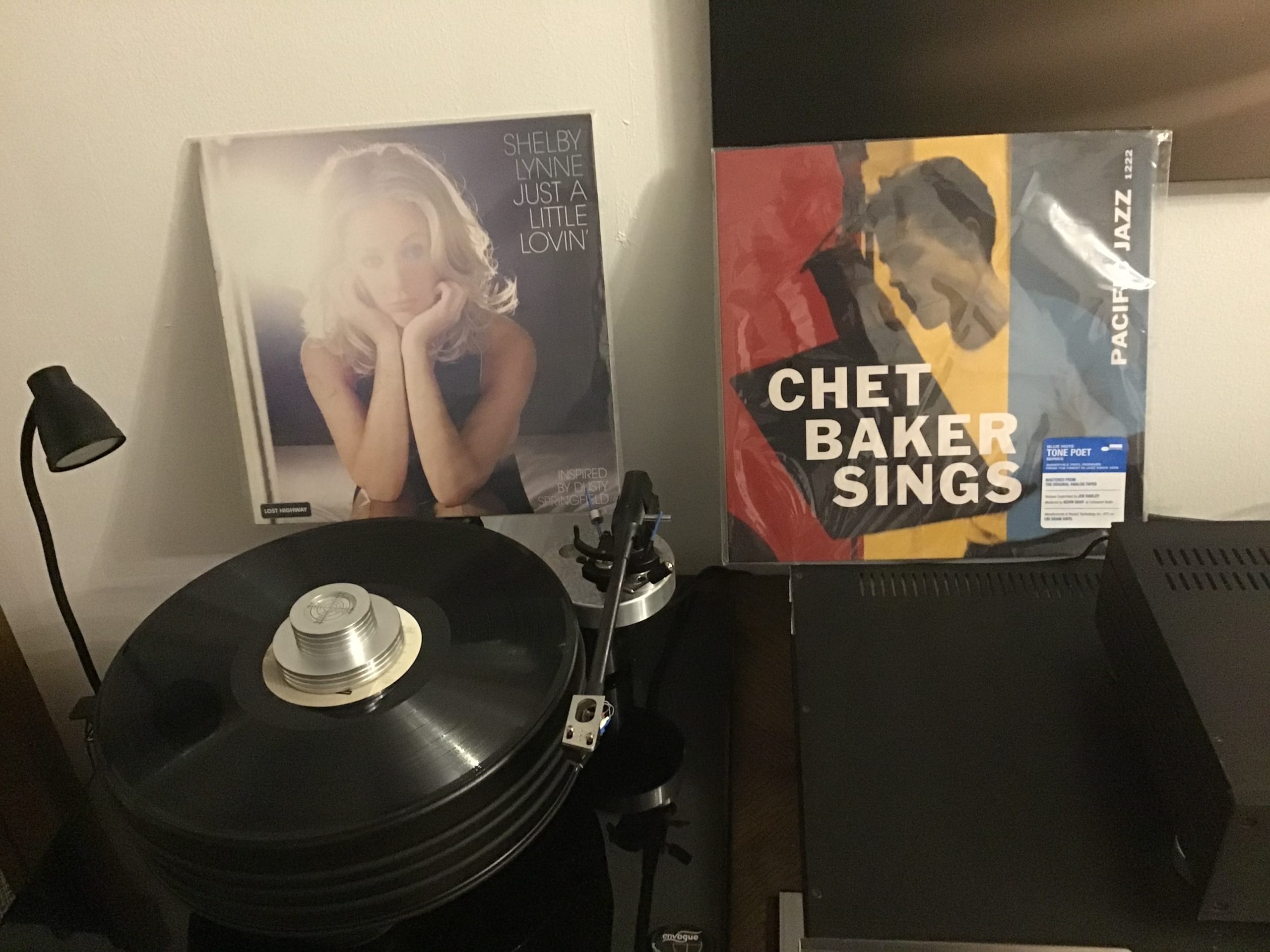
I could never imagine giving up vinyl. There is something special about putting a record on the turntable, cleaning it, lowering the tonearm and simply sitting down to listen to an entire album. It forces me to slow down, which is probably one of the reasons I still enjoy the format so much. I got into Jazz records inspired by my uncle who owned a huge collection of original Blue Note pressings. Never understood the music until it hit me really hard one day. Since then, I cannot stop listening to Jazz vinyl.
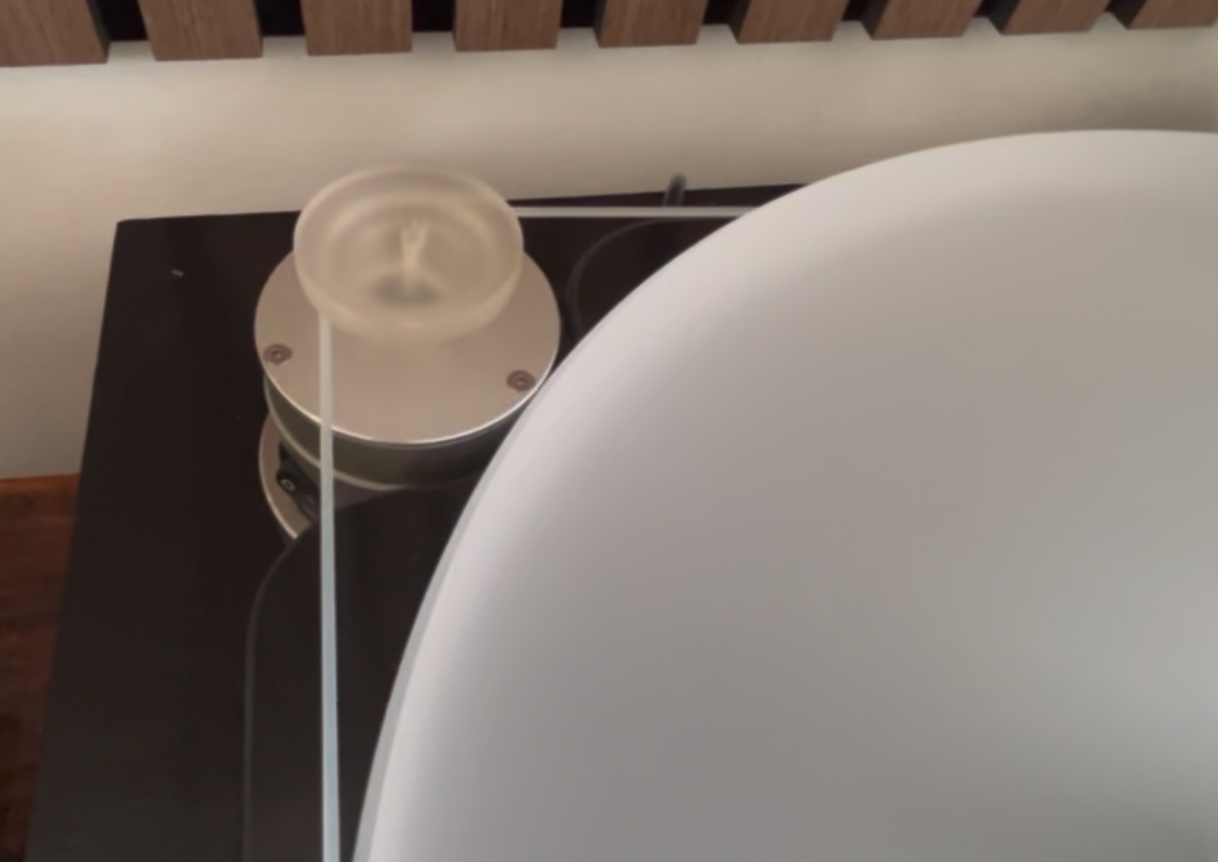
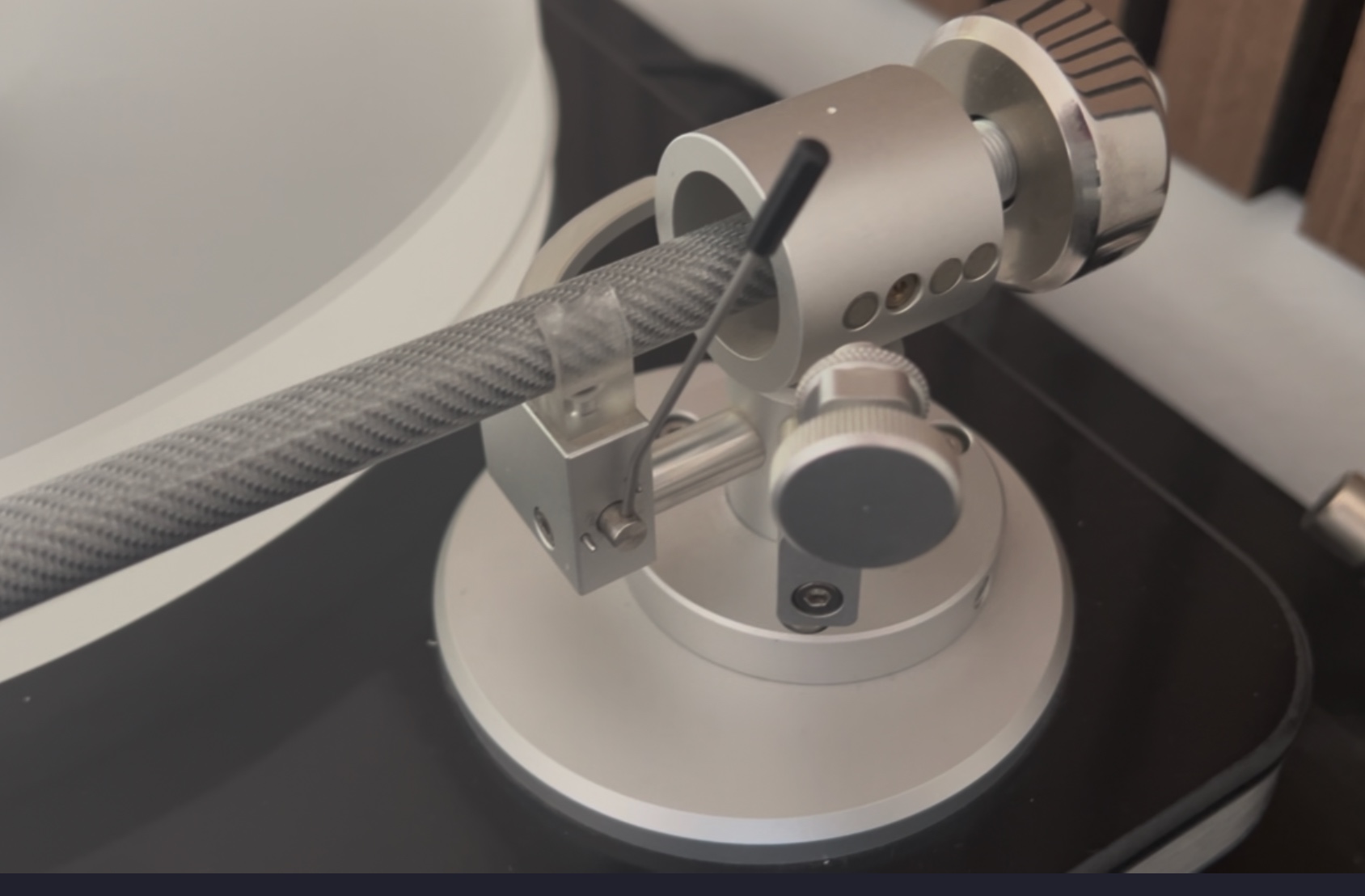
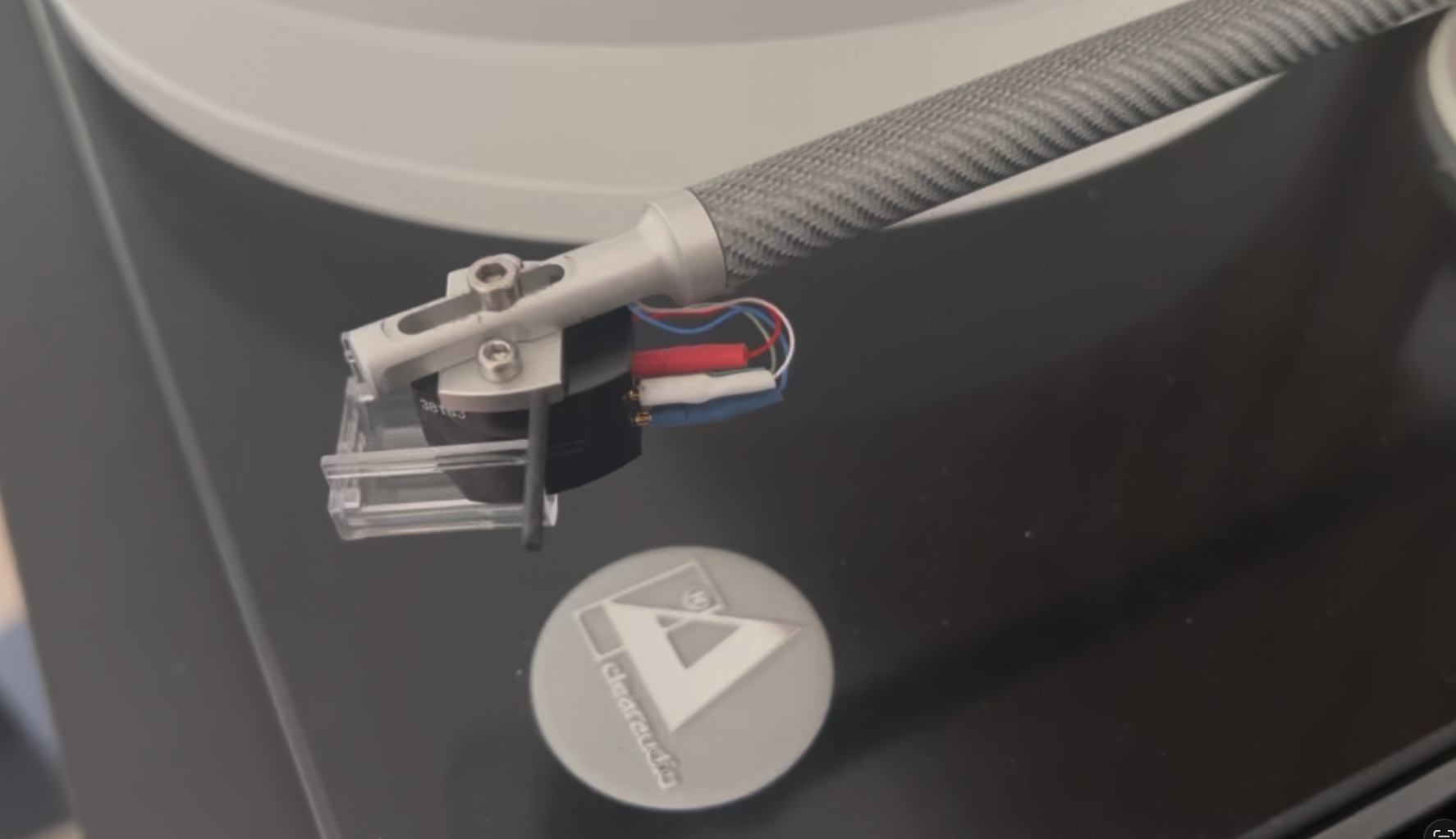
My current turntable is a Clearaudio Performance SE fitted with the Satisfy Carbon tonearm and Clearaudio’s Maestro MM cartridge. It wasn’t my first Clearaudio turntable though. Years ago I owned a Marantz TT-15S1, which was actually built by Clearaudio and closely related to their Emotion model.
Like many audiophiles I eventually became curious about heavy mass-loaded turntables and bought a Nottingham Analogue deck. While I really liked the engineering behind it, I never fully warmed up to the overall user experience. It simply wasn’t as enjoyable to use on a daily basis as my old Clearaudio. So after a while I went back to what I already knew worked for me.
Over time, I added a Clearaudio motor controller which allows me to change speeds between 33 1/3 and 45 RPM, I overhauled the motor and I replaced the silicone belt last year. I also fixed the tonearm lift as the grease sometimes prevented the arm from properly lowering on the records.
One thing that travelled with me through all those years was my Clearaudio Virtuoso MM cartridge. It originally came pre-installed with the Marantz and I simply moved it from one turntable to the next until the stylus eventually reached the end of its life. Instead of replacing it with another Virtuoso, I took advantage of Clearaudio’s trade-in program and upgraded to the Maestro MM.
People often ask why I don’t use a moving-coil cartridge. The answer is actually quite simple. I mostly listen to Jazz records and the Maestro MM already gives me all the resolution I could possibly want. More importantly, I like the lower long-term running costs of moving-magnet cartridges. Once the stylus wears out, I can simply replace it instead of sending the entire cartridge away for an expensive rebuild. For me, that’s a much more practical solution.
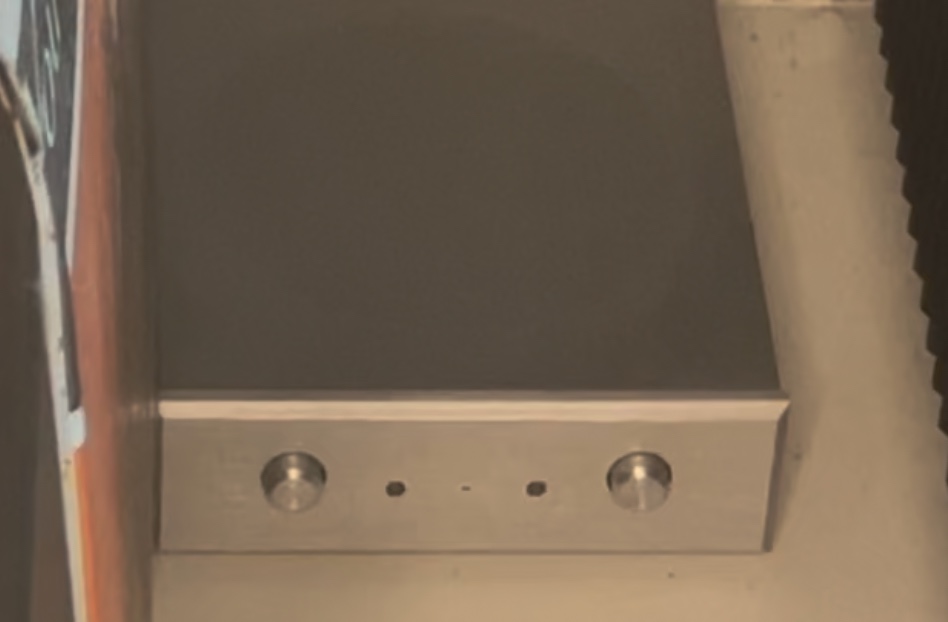
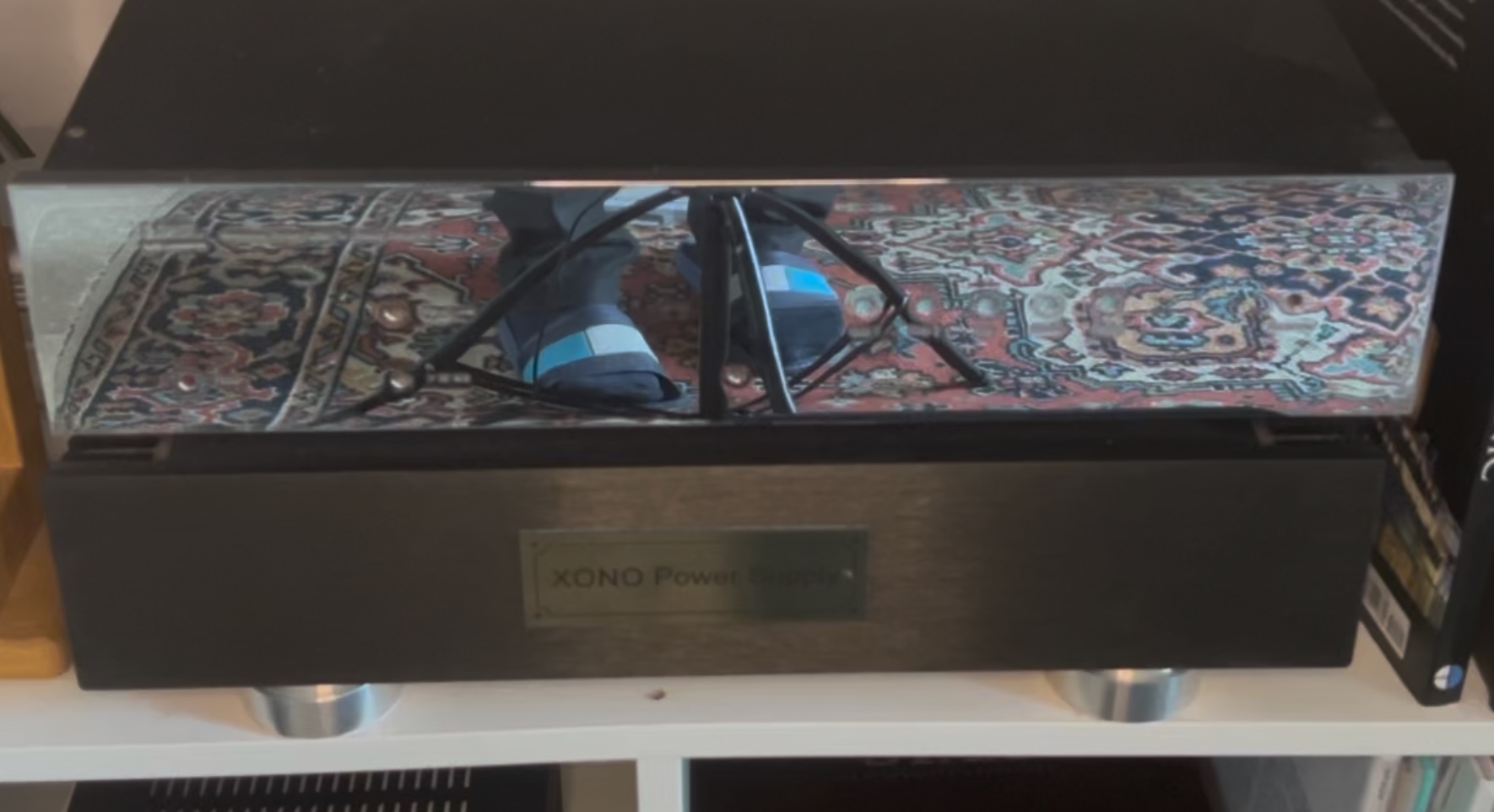
The turntable is connected to my DIY Pass XONO phono stage, one of the most enjoyable but ambitious DIY projects I’ve ever built. I built the XONO based on a construction by Ralph Stens in Germany. He also sells the PCBs and certain hard to source parts. It has been part of my system for many years now and I never felt the need to replace it. It’s quiet, musical and simply gets out of the way. I had a chance to compare to a friends “audiophile” battery powered phono stage and there wasn’t even a competition.
Before I play a new album, and after several listening sessions I also clean my records using an OKKI NOKKI record cleaning machine which I got second-hand. The previous owner thought it’s defective and gave it away for very little money but I repaired the water pump and everything works fine since then. Some people might think it’s overkill, but I honestly consider it one of the best investments I’ve made for vinyl playback. Clean records simply sound better and create less stylus wear. I also clean my stylus regularly with an Onzow zero dust (got this as a birthday gift from a friend).
Vinyl is probably the part of this hobby where I spend the least amount of time chasing upgrades. Nowadays I’m much more interested in buying great Jazz records than replacing equipment. Once you reach a certain level, collecting music becomes far more rewarding than constantly collecting hardware.
Turntable Manufacturer: Clearaudio electronic GmbH
Phono Stage Design: RST Audio XONO (Nelson Pass Clone)
Record Cleaning Machine: OKKI NOKKI
If you’d like to learn more about my analogue setup, have a look at these articles:
System History
Memorable Components I've Owned

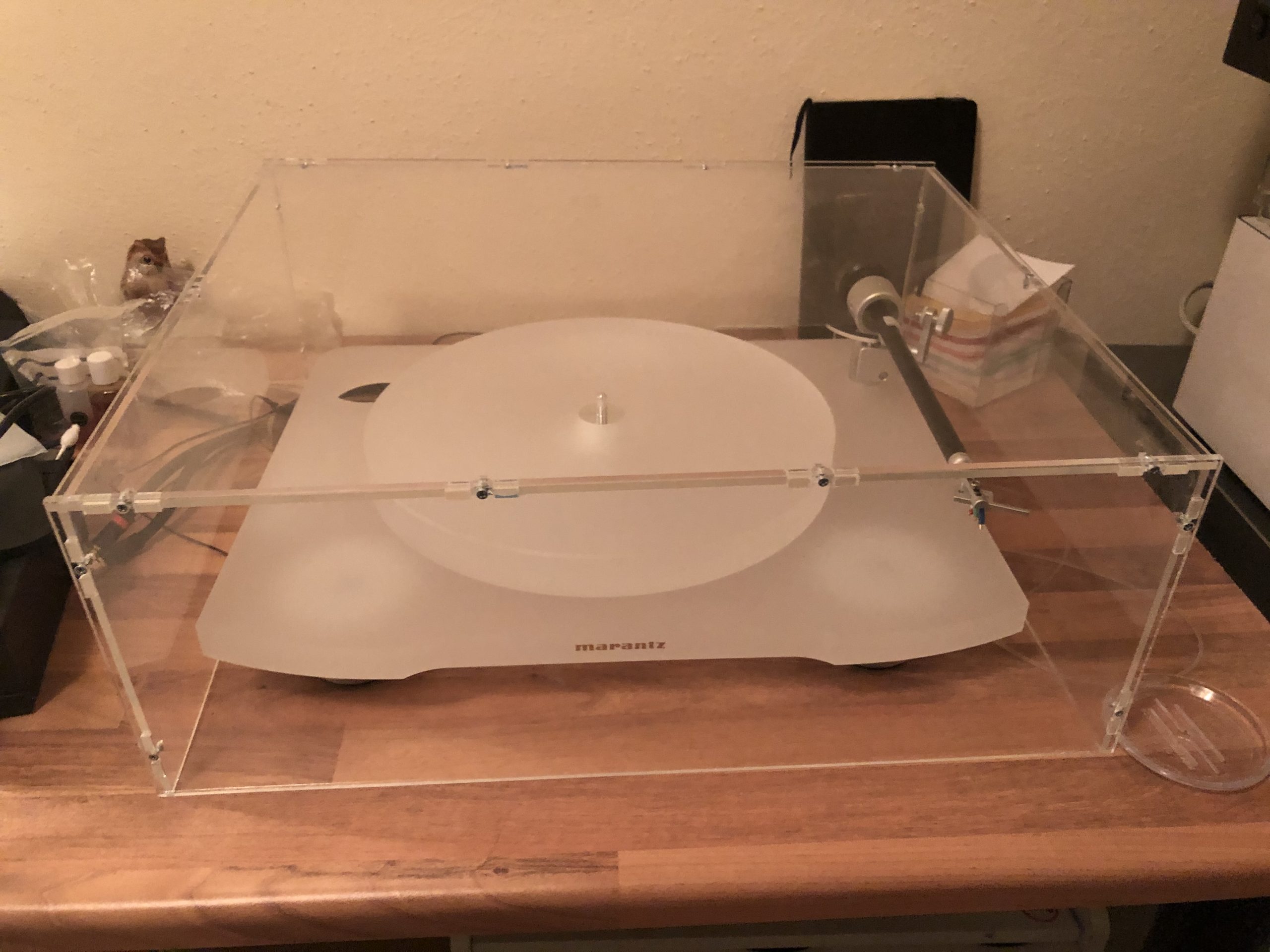

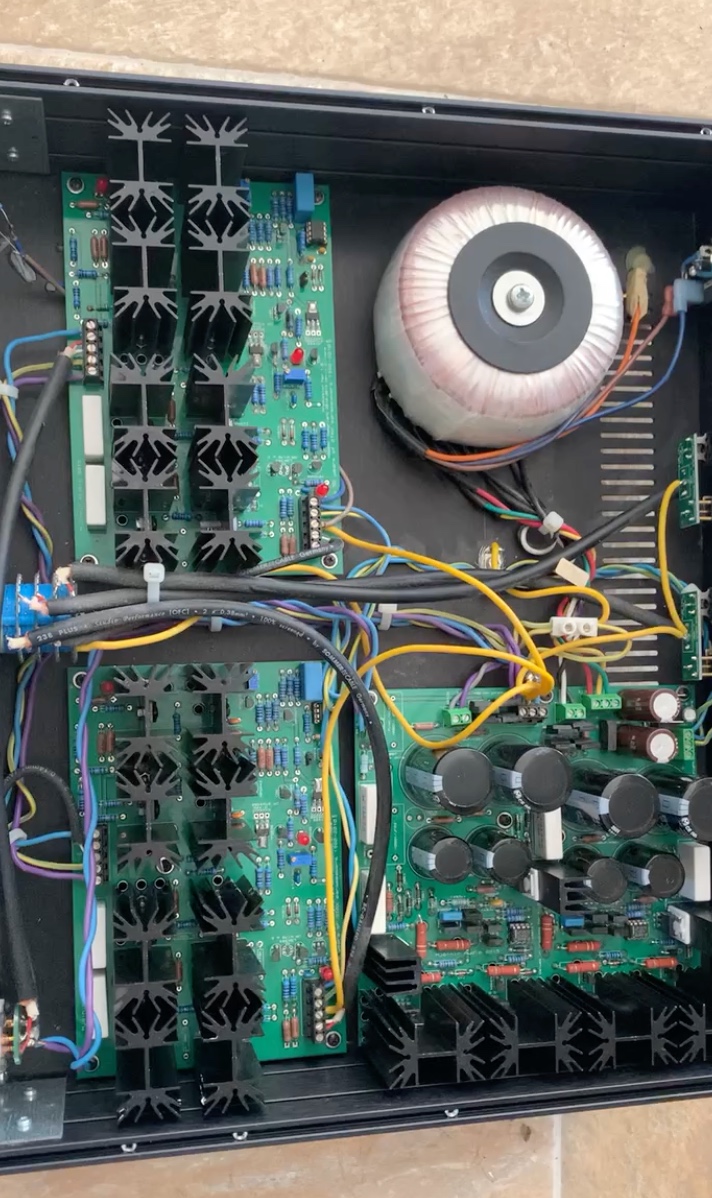

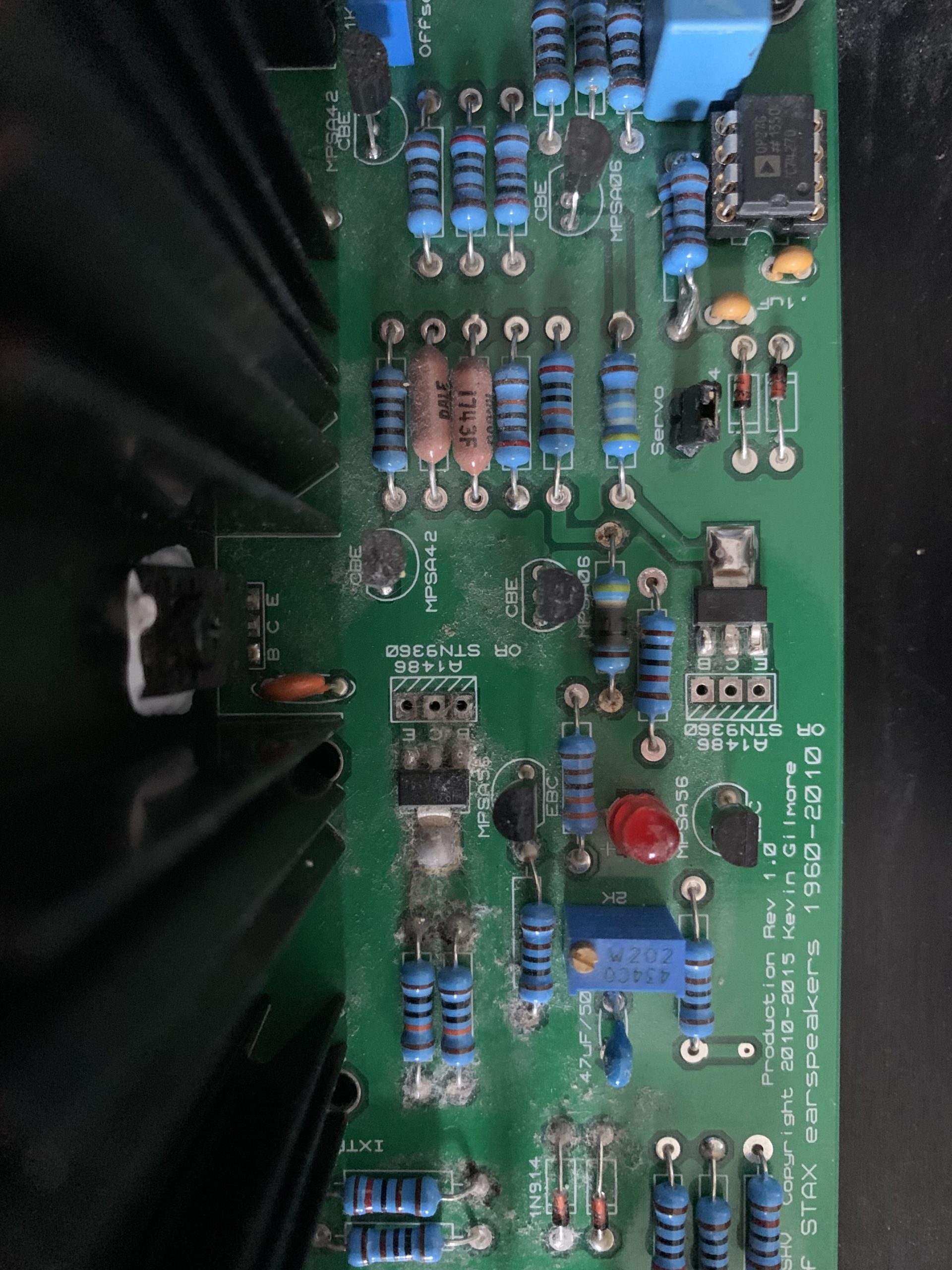

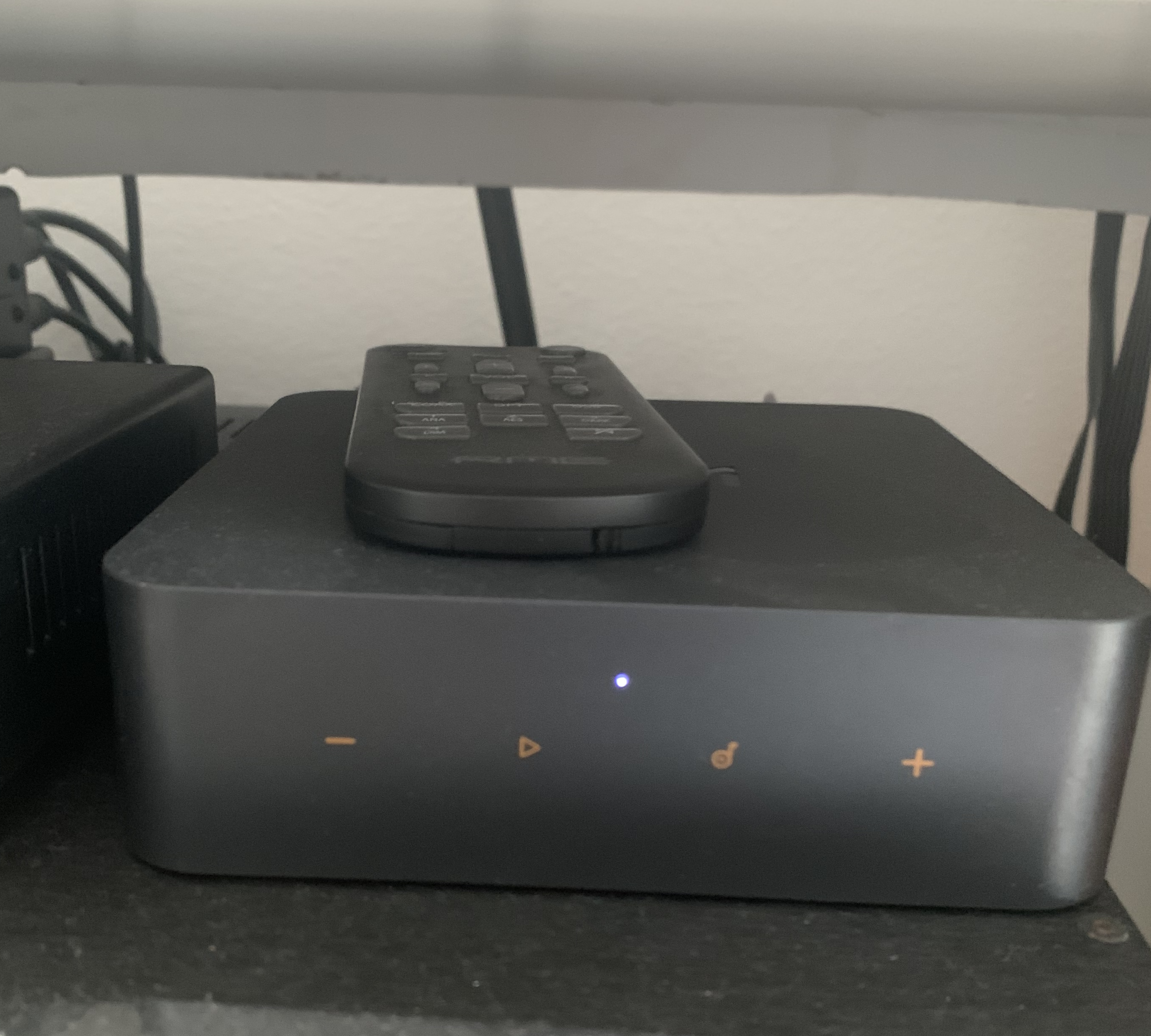
Not every piece of equipment leaves my house with negative memories when I upgrade. Some components simply have too much sentimental value or are still useful to other people. While they are no longer part of my main listening setup, I occasionally recommend them when a friend or family member is in a situation where that component could prove its value.
- WiiM Pro – Still one of the easiest streamers I have ever used. I keep recommending it to friends who simply want great sound without any hassle.
- RME ADI-2 Pro FS – An outstanding DAC that served as the heart of my system for several years. Nowadays the Eversolo DMP-A8 has taken over most of its duties.
- DIY Hypex UcD180 Power Amplifiers – My first successful Class-D DIY amplifier project from the early 2000s. These amplifiers completely changed my opinion about Class-D technology.
- Beyerdynamic T51p – Still my favourite travel headphones. Small, comfortable and surprisingly good for their size.
What May Change Next?
One thing I’ve learned over the years is that my system is never really “finished”. These days, however, the changes are no longer about chasing better specifications but about building a system that fits my lifestyle.
Right now I’m experimenting with moving my STAX system into a dedicated bedroom listening corner. I also plan to digitise selected Jazz records so they remain accessible from any future listening setup without having to handle the original vinyl every time.
My equipment will probably continue to evolve, but these days I spend far more money on music than on hardware – and I think that’s a good sign.
Read: Rethinking My Listening Space →
System History
2026
This has probably been the biggest change in my audio journey so far. Our living room gradually turned into my wife’s wellness spa which meant I had to completely rethink how and where I listen to music. Instead of building an even bigger loudspeaker system, I started focusing much more on headphones and practical everyday usability.
The STAX SR-009S became my primary reference for serious listening and my Eversolo DMP-A8 replaced several individual components in my system. Looking back, this was less about upgrading equipment and more about simplifying everything.
2023
The biggest surprise was undoubtedly the WiiM Pro. It completely changed my opinion about affordable music streamers. I also upgraded from my long-serving Clearaudio Virtuoso MM cartridge to the Maestro MM after finally wearing out the original stylus. Around the same time I fulfilled a long-time dream and bought my STAX SR-009S.
2022
Moving into a smaller apartment forced me to let go of my beloved Martin Logan reQuest loudspeakers. They had served me incredibly well over many years, but the combination of ageing electronics, worn woofer surrounds and a much smaller listening room made it the right time to move on.
This was also the year I started building the system that still forms the basis of my current setup today.
2018
This was the year I seriously got into vinyl. I bought my first Clearaudio-built turntable (the Marantz TT-15S1) and quickly realised that analogue playback wasn’t nearly as complicated as I had expected. Before long I found myself cleaning records, experimenting with cartridges and eventually building my own Pass XONO phono stage.
2016 – 2017
My fascination with electrostatic headphones really took off during this period. I bought the STAX SR-007 Mk1 and later built my own KGSSHV electrostatic amplifier. It was by far the most challenging DIY project I’ve ever completed but also one of the most rewarding.
Around the same time I became convinced that modern Class-D amplification had finally come of age after building several Hypex amplifiers. That experience completely changed how I looked at power amplifiers and has influenced every system I’ve owned since.
How My Philosophy Changed
When I first started this hobby, I was constantly chasing better equipment. Nowadays I find myself chasing better music instead.
I’ve reached the point where usability, reliability and simply enjoying an evening with a great Jazz record matter far more to me than endlessly comparing specifications or replacing components every year. Looking back, that’s probably the biggest upgrade my system has ever received.
Final Thoughts
People often ask me whether I finally have my “dream system”.
The honest answer is yes… and no. Of course I still enjoy trying new equipment from time to time. But these days I spend far more time looking for great Jazz records than searching for the next amplifier.